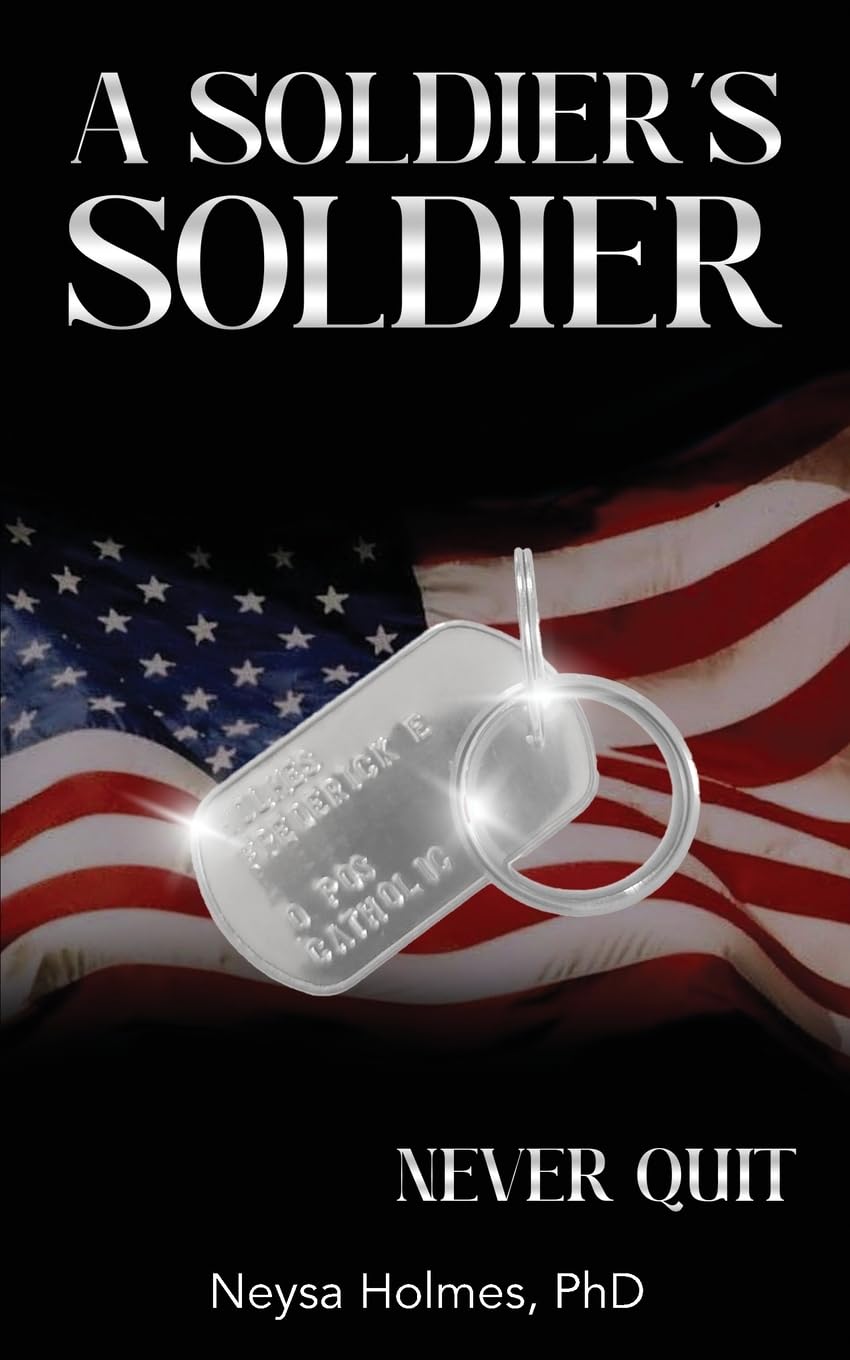
A soldier’s life is forged in the fires of training, discipline, and unwavering commitment. Every day, they live by a creed—one that demands readiness, resilience, and an unbreakable will to serve as a guardian of freedom. In A Soldier’s Soldier by Neysa Holmes, PhD, the reality of military service is laid bare, not just through the lens of combat but through the rigorous demands of preparation.
For many, the battle begins long before deployment. It starts in the training fields, in the relentless drills, in the mental and physical conditioning that turns civilians into warriors. But what happens when the cost of that transformation goes unnoticed?
The Battlefield Begins in Training
Before a soldier ever steps onto foreign soil, they are tested in ways most civilians cannot fathom. The body is pushed to its absolute limits—starvation, exhaustion, and physical injuries are commonplace. But what about the mind?
Holmes highlights a striking and often overlooked reality: soldiers are exposed to war-like scenarios from day one. Live fire exercises, explosive simulations, tear gas exposure, and the sheer psychological pressure of discipline and survival all take a toll long before the battlefield is reached.
Many service members exhibit symptoms of PTSD, traumatic brain injuries (TBIs), and other neurological impairments even without ever experiencing direct combat. So, where does the injury truly begin? Boot camp? Advanced training? The high-stakes nature of their service creates stressors that can have lasting effects, yet the mental wounds often go unrecognized.
The Soldier’s Creed: A Framework of Honor and Sacrifice
The Soldier’s Creed is more than just words—it is a way of life. Holmes reorders the elements of this creed to offer a new perspective, breaking down the philosophy that governs the heart and mind of every soldier:
Mission First – Be ready to deploy, engage, and destroy any enemy of the United States.
Maintain Arms, Equipment, and Self – Stay disciplined physically and mentally.
Train and Drill – Become an expert and professional in the art of warfare.
Never Accept Defeat – Never quit, no matter the challenge.
Serve as a Guardian of Freedom – Uphold the values of the country and defend its people.
Each element of this creed demands unwavering devotion. The mission always comes first, sometimes at the cost of personal well-being. But this dedication leaves little room to acknowledge internal battles. When physical injuries occur, they are treated immediately. When mental injuries surface, they are often dismissed or misunderstood.
The Hidden Cost of Readiness
The demand for excellence, for perfection, in military training creates warriors who are disciplined and lethal. But Holmes asks an essential question: At what cost?
If a soldier is exposed to war-like trauma before ever stepping into a combat zone, then PTSD is not just a byproduct of war—it is woven into the very fabric of training. The expectation is clear: endure, push through, don’t break. But what happens when the body, mind, or spirit does break?
Holmes sheds light on the staggering reality that many veterans struggle with severe mental health issues, including PTSD and TBIs, yet they were never deployed into battle. Their injuries, though invisible, are no less real.
Duty and Honor Above All: A Call to Awareness
A soldier lives and dies by their creed. Duty and honor are above all, but that does not mean their suffering should go unnoticed. The battle for readiness must also include the battle for mental resilience and long-term well-being.
As Holmes emphasizes, we must acknowledge the silent battles faced by our service members. Research into the mental impact of military training must be prioritized. Support systems must be strengthened. And above all, soldiers must know that their sacrifices—seen and unseen—are recognized, honored, and cared for.