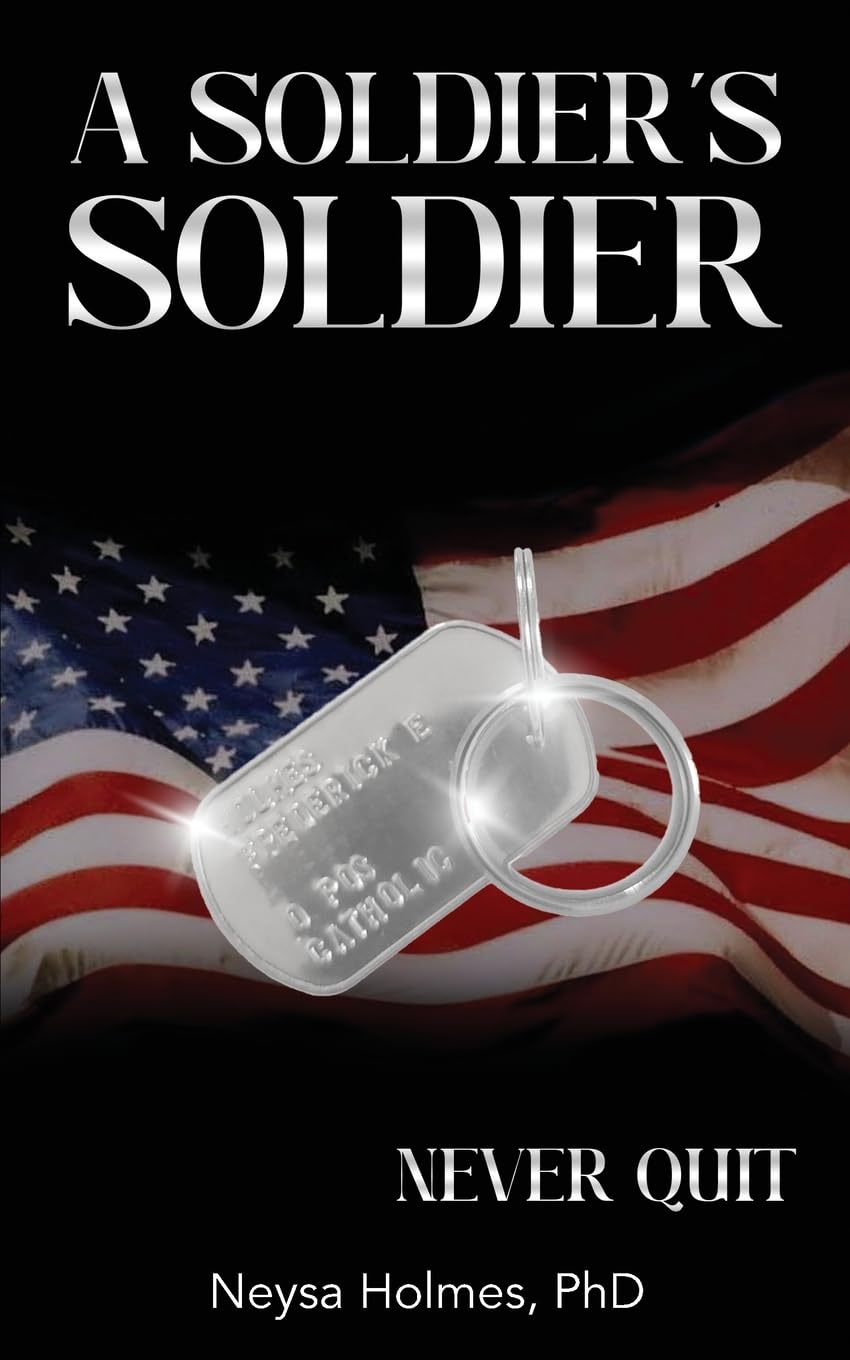
The transformation from civilian to soldier is not just about learning how to fire a weapon or follow orders—it is a complete physical, mental, and emotional shift designed to create warriors prepared for the toughest conditions imaginable. In A Soldier’s Soldier by Neysa Holmes, PhD, readers get an inside look at how every soldier, no matter their position, is exposed to war-like scenarios, shaping them into combat-ready professionals.
From the moment a recruit steps into the Military Entrance Processing Station (MEPS) to the grueling challenges of Airborne School and Army Ranger training, every phase of the journey is designed to break down the individual and build up a formidable warrior.
Step 1: MEPS – The First Challenge
Before a person can officially become a soldier, they must pass through MEPS (Military Entrance Processing Station). This is where candidates undergo a series of medical, physical, and moral screenings to determine whether they are fit for service. Not everyone qualifies.
A potential soldier’s medical history is reviewed in depth. Any chronic conditions or past injuries could mean immediate disqualification.
Physical fitness is assessed, ensuring that recruits are physically capable of handling the demands of military training.
Moral character screening is also conducted, ensuring that recruits have no serious criminal history or legal issues.
After successfully passing MEPS, recruits are given a job classification, sign their contract, and take the oath of enlistment—a pledge to defend the Constitution and serve their country honorably.
From that moment on, they are no longer civilians.
Step 2: Vaccines – The Unseen Preparations for War
Many people associate military training with grueling exercises and combat simulations, but one of the first things recruits experience is a series of vaccinations. Some of these are standard immunizations, while others are specific to the unique risks soldiers may encounter in warzones.
One of the most controversial vaccines in military history is the Anthrax vaccine, introduced during the Clinton administration under the Anthrax Vaccine Immunization Program (AVIP). This was given to military personnel due to concerns over biological weapons, yet studies on its long-term effects remain scarce.
Vaccinations may seem like a minor part of the process, but they are a reminder that military service exposes individuals to risks beyond just bullets and bombs.
Step 3: Basic Training – Breaking and Rebuilding a Soldier
Once recruits are cleared through MEPS and vaccinations, they enter Basic Training, commonly known as Boot Camp. This is where civilians are transformed into soldiers, learning:
- Physical endurance – Running, weightlifting, and obstacle courses push recruits to their limits.
- Core military values – Honor, duty, teamwork, and leadership are drilled into every soldier.
- First aid and medical training – Every soldier must know how to save a life on the battlefield.
- Weapons training – Learning to handle, clean, and fire weapons with precision.
- Combat skills and strategy – Understanding battle formations, urban warfare, and survival tactics.
- Confidence-building exercises – Training soldiers to remain calm under extreme pressure.
Divided into multiple phases, each stage of training prepares recruits for the psychological and physical challenges of combat.
Becoming a Triple Tab: The Elite Warriors
For those who choose to go beyond basic training and push themselves further, there are specialized military schools that prepare soldiers for elite combat roles.
✔ Airborne School – A three-week course where soldiers learn parachute landings, jumps from 34-foot towers, and eventually full-scale airborne operations. Jumping from an aircraft is not just a physical challenge but a mental one, requiring extreme focus and courage.
✔ Army Rangers – The Army Ranger School is one of the most demanding military courses in existence. Candidates undergo intense physical fitness requirements, including forced marches, hand-to-hand combat training, and specialized mission planning. Rangers are trained for high-stakes missions deep in enemy territory, where failure is not an option.
Why This Training Matters
A Soldier’s Soldier by Neysa Holmes, PhD, makes it clear that military training is not just about preparing for war—it’s about building resilience, discipline, and an unbreakable mindset. Whether a soldier is destined for combat, logistics, or intelligence, they are exposed to war-like scenarios to prepare them for any possible challenge.
The transition from civilian to soldier is one of the most intense transformations a person can undergo. It takes grit, determination, and an unwavering commitment to serve one’s country.